-
Fika November Update + business plan reveled
Dec 06 ⎯ Today I’m going to share some juicy numbers: the final business plan with our budget and goals, how much money we invested this November, and the results. This month was my first month fully dedicated to Ramensoft and mainly Fika. Time flies, maybe because there is a lot to do. What I did in Fika as CRO this November? For all of you who do not know what CRO means, it means that I’m in charge of Marketing and Sales. We don’t have something to sell yet, so I acted as a Marketing Manager, or what is basically Marketing 4x4 because I still don’t have anyone to manage XD. It has been a challenge, I have to admit it, because I have not been in the trenches for a long time. Lately I mostly acted as a manager and sometimes as an SEO specialist. So what did I end up doing? Everything from content creation to strategy, social media, SEO, paid campaigns and more. Main tasks for Fika completed: Launch our first challenge to attract new users. The challenge was simple, publish four blog posts and you would win a full year of Fika Premium. The person who generated more subs and wrote at least four blog posts would also win six books to improve their writing. Publish our first content on social media (yes, I’m an influencer now…). It is not my thing, that is why I’m looking for a content creator who can help me with social media and blog posts Create our first paid campaigns in Reddit Ads, Meta and TikTok (results below, keep reading 😄). Think and rethink our ICP. We are now targeting busy experts who have something to share but don’t have the time or the habit of writing. We already discovered that even though people started writing with our challenge, they didn’t continue. We will improve that for sure, but it is super expensive. Creating a habit is super expensive New ICP landing pages, testing a few things and validating the new ICP. Improving SEO. Figuring out how our competitors are structuring their content, their users, their subdomains and so on. We finally decided to create a subdomain for each writer. We created a logic where subdomains with one blog post or less have no index and a disallow, and the rest have their own sitemap. We created a solid sitemap logic and the sitemap of sitemaps was born. Other random stuff like translating all landing pages, finding bugs and so on. November Fika Results: We are trying to build in public, and that means showing everything we are doing and being as transparent as we can. Paid campaigns I wanted to test a few things and start pushing growth, not only organic but also using some cash. We created our challenge, it was the perfect excuse to test a couple of ideas. I decided to start with Reddit, Meta and TikTok. Why not Google? Because we wanted to use the offer for new clients and we didn’t have enough money in our bank account XD. Reddit ads results Reddit seemed like a perfect fit because there are a lot of Subreddits related to writing, founders, startups and so on. A perfect place to validate our ICP and for me to test Reddit at the same time. We invested a total of 511,89 € for a total of 1,2 M impressions (eCPM 0,41 €) and 9071 clicks (CPC 0,06 €). What Posthog says: 6090 visits (real CPC 0,08 €), total writers 20 (CPL 25,59 €). My first learnings with Reddit, filter out as many countries as you don’t want or just target the ones you really want. The traffic seems qualified somehow. Targeting the homepage didn’t generate signups, but targeting the challenge did. Tiktok ad results: I used TikTok Ads in previous companies, and for B2B it was generating leads at a decent price, so why not test it for Fika? We spent a total of 126,3 € for 214.875 impressions (CPM 0,59 €) and a total of 721 clicks (CPC 0,175 €). What Posthog says: 463 visits (real CPC 0,272 €) and just one writer (CPL 126,3 €). It was a total disaster in terms of leads. We gained followers and some people saw my face, but that is all. We will need to rethink the strategy here and set up CAPI to track conversions better and let the algorithm work. For now we were running a traffic campaign. Meta ad results: Similar to TikTok, Meta usually brings worse leads compared with Google Ads, but in general at a super low price. We spent a total of 88,36 € for 46.406 impressions (CPM 1,90 €) and 1317 visits (CPC 0,067 €). What Posthog says: a total of 1267 visits (real CPC 0,0697 €) and 0 conversions. It is really weird that there are no conversions with that amount of clicks, and somehow Posthog does not allow me to filter Meta traffic correctly. Maybe there is a bug, or like with TikTok, the traffic was not qualified at all. My summary with paid ads: Until we correctly set up all the events and send the right signals to the paid platforms, at least with TikTok and Meta we are not going to generate much business. For this first month experiment, Reddit wins in every area, CPM, CPC and CPL. It is worth exploring more features and more subreddits. Organic channels or non paid channels: This is where we mainly generated all our writers, but there is a trick here. We started sharing the Fika project with our networks. When we launched Fika and announced it publicly with the challenge, we saw a huge increase. After a few days, you can see in the graph that the number of new signups per day went down again. Our challenge now is to find the right target in a saturated market, blog tools, newsletters, writing apps, etc. I know our software right now has some unique features, like the proofreading and the auto translation for your blog posts, all included in the same process and tool, no plugins, no extras. (compared with Substack, Beehiiv or Ghost). You can check our latest updates here. Final November Numbers: A total of 13,400 visits (blended CPC: 0,054 €) and 103 writers (blended CPL: 7,05 €). Next month I’ll also share the number of readers, people who subscribe to a writer, and in January the revenue and CAC, since we are planning to enable our paid plan. Fika business plan 2025-2027 And now, what all of you were waiting for, the business plan we made for our first project, Fika, the numbers we will fight for, and the compass that will help us figure out if we are dying or swimming in bills. Here it is, no secrets for you. Maybe next time we are also going to share the economics. How we are going to grow: Attracting new writers. We, well Josep and Pau, are crafting a better tool than Substack, with unique features and the best of other competitors like Ghost or Beehiiv. Writers’ content: writers, if we are lucky, are going to write content, and that content is going to rank on Google, with my help, and also be shared on social media, newsletters, and other platforms or websites. This will generate visits and subscribers. Subscribers: they will come, attracted by the content of our writers. A subscriber can become a writer. How we are going to earn money: SaaS model: writers, in order to have cool features that will help them grow faster, reach more people, and earn money or promote their services, products, or company, will pay for the tool. Paid subscriptions: writers will have the ability to gate their content or create exclusive content for their paid subscribers. Writers are going to earn 90% of what they generate. The average price per subscription is between 5 and 20 €. CPM: this is still not fully decided yet, but like Beehiiv does, we will offer a revenue share CPM model, per visit or per email open, where we are going to show ads from selected partners. CPM can go from 2 to 8 € per 1,000 impressions, and the revenue will also be shared with writers. We have a huge challenge on front of us, so we you want to help us, please share our story with your friends and don’t forget to subscribe for MORE SPAM DEL BUENO
- ramensoft
-
Building Fika in Public: Our Business Plan + Free Template
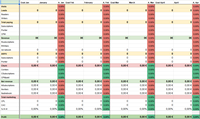
Nov 26 ⎯ Today I’m going to share with you the process I followed to create the initial business plan for Fika. I say initial because we don’t really have any KPI that assure us that we will be able to achieve this business plan. But we need something to work with and reforecast every month or quarter if needed. What is Fika? Before diving into the business plan, I should explain what Fika actually is. Fika is the first project of Ramensoft, a place for writers and non-writers to create their own space and share whatever they want: knowledge, expertise, life experiences, random stories, or even a poem. Our second goal is to help our users reach as many people as possible, so they can build a community around their content and grow their audience. So if Fika is the first project of Ramensoft, how does the business plan look? We have a general business plan for the company and then a sub-business plan for each project. This helps us track the success or failure of every project, estimate (or at least try to estimate) our burn rate, and get closer to the dreamed break-even. Ramensoft Cash We have cash for two years. That runway covers the salaries of two of the three founders and gives us room to hire one or two people in the coming months. It also lets us invest a bit in marketing: tools, freelancers, and paid ads, so we can move faster. How much we invest in people, services, and marketing will depend on how each project performs. If a project works, it gets fuel. If it does not, we rethink. The more a project generates, the more we reinvest in it. No secrets, no magic. The vision is to be self-sufficient and bootstrap. We want Fika and the rest of the Ramensoft projects to grow because they are valuable, not because we raised money. We are not looking for external investment right now, although we are not closing the door forever. If someday raising helps us bring the product to more people without compromising what makes it special, we will consider it. For now, the mission is “simple”: build great products, learn fast, and stay alive long enough to win. The business plan template Before I joined Ramensoft, I worked for six years at Factorial HR as Global marketing director. Back then, it was an HR software startup. Today it is a European unicorn. There we used an internal document called “samba”. In that document we tracked everything at a top level: leads, MQL, SQL, clients, MRR, churn, marketing costs, salaries, and so on. It was not beautiful, but it was extremely useful because it gave us a clear picture of how the business was performing at any moment. The document I created for us at Ramensoft is inspired by that structure. You can adapt it to your needs, improve it, delete the lines that are not relevant, or add new ones if your context requires it. The important part is not the format. The important part is having a single source of truth where you can look at the business and understand what is working and what is not. JR business plan excel template How to use the JR business plan excel template. This template was created based on a B2B SaaS company with a sales team. That is why you will see concepts like MQL, SQL or ARPU, but you can adapt it to your own needs, KPIs and business model. If you are not familiar with any of these terms, you can check the marketing vocabulary here. It is also important to mention that this is a general plan. At Factorial we used to break down these numbers by groups of channels to understand where growth was coming from and where we should double down. Organic, which included all marketing channels except paid. Paid, which included every channel where marketing was investing money, such as Google Ads, TikTok Ads, paid referrals, and others. Outbound, business generated by the outbound team. Channel, business generated by Factorial partners. It worked almost like an affiliate program, although not exactly. With all that said, using it is super easy. Just: Jokes aside, this is not a lead magnet. But new subscribers are always welcome, because I am going to share our whole adventure building Fika in public. You just need to copy the Google Drive excel template here. Everything is already connected with formulas. Conversion rates, costs, and the rest are calculated automatically. It also includes a monthly view, a quarterly view, and a yearly view so you can track the evolution of your business at different levels. quarterly and annual goals You just need to edit Goal & Monthly results editable cellsFika business plan As I said before, you can adapt the template to your needs. And if you improve it, I would love to see your version, so do not hesitate to share it with me 🙂 For Fika, this is the adapted version we are using: At Ramensoft we do not have a sales team, so tracking MQL or SQL does not make much sense right now. What we do have is a product with more than one possible path to generate income in the future. On one side, the writer path with a subscription model. On the other side, the reader path, where creators will eventually be able to earn money from their publications. #spoyler We are also exploring other potential revenue lines. For example, a sponsored newsletter program with revenue share, or even a personalized ads model that respects the writer and the reader. None of this is locked yet. We prefer to experiment instead of pretending we already know the answer. Right now the priority is crystal clear. We need people to write, publish, and feel at home on the platform. Once we prove that Fika creates value, the business will follow. First we build something meaningful. Then we earn the right to scale. You know how hard the beginning is. So if you want to help, you can subscribe to my newsletter for more spam del bueno. And if you really want to support us (the true supporter level), share it with your friends. In the next update I will share what we did this month and, of course, all the numbers from November. Every euro we invested to generate our first active users will be there. I will see you there. Thanks for building this with us.
-
Marketing Dictionary: 261 Terms You’ll Actually Use in 2026
Nov 26 ⎯ Ever sat in a meeting nodding while secretly Googling “what is dark social?” You’re not alone. HubSpot’s 2024 State of Marketing report shows 62 % of junior marketers fake understanding jargon at least once a week. This living dictionary is the anti-jargon cure. We crowd-sourced the most confusing terms from 3,400 marketers, then pressure-tested definitions with CMOs at Slack, Notion and Shopify. 261 terms. Zero fluff. Bookmark it. Share it. Argue with it. We update it every quarter so it never goes stale. A A/B Testing Running two variants simultaneously to measure lift. Rule: one variable at a time or it’s an A/B/C/D mess. Ex: Slack changed tooltip colour → +12 % activation (case study). ABM (Account-Based Marketing) Flip the funnel: sell to named accounts before attracting random leads. 2025 twist: AI intent spots in-market accounts 6-8 weeks earlier. Ad Fatigue CTR drops because creatives go stale. Refresh when frequency > 3 per user / 7 days. Ad Inventory Total ad space a publisher can sell. Ad Ops Team that traffics, optimises and reports on campaigns. Ad Server Tech that decides which ad shows when (Google Ad Manager, Kevel). AdSense Google’s program for publishers to auto-sell text/image/video ads. Affinity Audience Google/Meta bucket of users who “might be interested” based on long-term browsing. Affiliate Marketing Revenue share model: partner gets % of sale they drive (Amazon Associates = 1-10 %). Agile Marketing Sprint-based workflow borrowed from dev teams; 2-week cycles, stand-ups, retros. AI-Generated Content Text/image/video produced by large-language or diffusion models. 2025 caveat: Google says “helpful is helpful” regardless of author species—but E-E-A-T demands human review for Y-M-Y-L topics. Algorithm Set of rules that rank or filter (Google, Instagram, TikTok). Alt Text HTML attribute describing an image; accessibility + image SEO win. AMA (Ask Me Anything) Reddit-style live Q&A often used by founders for product feedback. Analytics Collection, measurement, analysis of data to inform decisions. Anchor Text Clickable words in a hyperlink; Google uses it as a relevance signal. Annual Recurring Revenue (ARR) Yearly value of subscriptions; SaaS north-star metric. API (Application Programming Interface) Code hook that lets two apps talk (Marketo- Salesforce sync). AR (Augmented Reality) Overlay of digital elements on real world; try-on glasses, Pokémon GO. Assisted Conversion Touchpoint that didn’t get last-click credit but influenced the sale. Attribution Assigning credit to marketing touchpoints. Models: first-click, last-click, linear, time-decay, data-driven. Attribution Window Look-back period (iOS 14.5 cut from 28 d → 7 d). Audience Suppression Excluding recent converters from seeing the same ad again—stops waste. Audit (Content) Systematic inventory of every URL, traffic, purpose, freshness. Audit (Technical SEO) Crawl-health check: indexability, core web vitals, schema, XML. Autoresponder Email sequence triggered by user action (welcome, cart, onboarding). Average Order Value (AOV) Revenue ÷ number of orders; upsells boost it. Awareness Stage Top-of-funnel moment when prospect realises they have a problem. B B2B (Business-to-Business) Sell to companies, not consumers (Salesforce, Cisco). B2C (Business-to-Consumer) Sell to individuals (Nike, Netflix). B2B2C Sell through partner to end consumer (Instacart delivers Whole Foods). Backlink Inbound link from another domain; still top 3 Google ranking factor. BANT Budget, Authority, Need, Timeline—legacy lead-qual framework. Behavioural Targeting Ads based on past actions (pages, clicks, purchases). Below-the-Fold Portion of webpage user must scroll to see; ad viewability drops ~40 %. Beta Test Limited release to external users before full launch. Bid Strategy How you set PPC max CPC (manual, enhanced, target CPA, tROAS). Bing Ads Now Microsoft Ads; 6 % U.S. search share but cheaper CPCs. Bounce Rate Single-page sessions ÷ total sessions. Context matters: 90 % on a contact page can be fine. Brand Equity Commercial value derived from consumer perception of brand. Brand Guidelines Rule-book on logo, colour, tone, typography. Brand Lift Study Survey-based measurement of ad impact on awareness & consideration. Brand Salience Likelihood brand is noticed or recalled in buying situations. Branded Search Query that includes brand name (“Asana pricing”). Broken Link 404 page; hurts UX + SEO—screaming Frog finds them fast. Bulk Email Single message sent to large list; needs unsubscribe link (CAN-SPAM). Business Manager Meta’s dashboard for ad accounts, pages, pixels, billing. Buyer Persona Semi-fictional profile of ideal customer built from research. Buying Committee Average 6.8 stakeholders in B2B IT deals (Gartner, 2024). Buzz Marketing Generating talk-value via controversy, humour, surprise. C CAC (Customer Acquisition Cost) (Sales + Marketing spend) ÷ New customers. Benchmark: < 3:1 LTV for SaaS under $1 k ARPU. Cache Temporary storage that speeds load time; clear it when debugging. CAN-SPAM U.S. law governing commercial email—penalties up to $50 k per violation. Canonical Tag Rel=“canonical” prevents duplicate content by pointing Google to master URL. Cart Abandonment User adds item but leaves; average global rate 69.8 %. Chatbot AI or rule-based conversational interface; saves 4 min avg handle time. Churn Rate % customers lost in a period; inverse of retention. CLV / LTV (Customer Lifetime Value) Gross margin × avg lifespan revenue. Clickbait Sensational headline that under-delivers; kills trust. Click-Through Rate (CTR) Clicks ÷ impressions; 2025 search avg 1.8 %, display 0.35 %. CLV:CAC Ratio 3:1 or higher = healthy; 5:1 = leaving growth on table. CMS (Content Management System) WordPress, Drupal, Webflow, Contentful. Content Audit See “Audit (Content)”. Content Calendar Editorial schedule (topic, owner, deadline, channel). Content Decay Traffic loss over time; refresh at ‑20 % mark. Content Syndication Republishing same article on third-party sites (LinkedIn, Medium). Contextual Targeting Placing ads based on page content, not user cookies (privacy-safe). Conversion Desired action: purchase, lead, sign-up, download. Conversion Rate (CVR) Conversions ÷ visits. Conversion Rate Optimisation (CRO) Systematic testing to raise CVR. Cookie Browser file storing user data; 3rd-party cookies deprecated in Chrome late 2024. Cookieless Future Post-3rd-party cookie world; rely on 1P data, contextual, cohorts. Copywriting Words that sell; science + art. Core Web Vitals Google page-experience metrics: LCP, FID, CLS. Cost per Acquisition (CPA) Same as CAC but often used for single-channel. Cost per Click (CPC) Advertiser pays each click; AdWords avg $2.69 U.S. search. Cost per Impression (CPM) Cost per 1,000 ad views. Cost per Lead (CPL) Used in lead-gen; benchmark $40 B2B SaaS. Cost per View (CPV) Video metric; typically 30 sec watch. Crawl Budget Googlebot pages/day it will crawl on your site; improves with authority + speed. Creative Testing Systematic rotation of headlines, visuals, CTAs. CRM (Customer Relationship Management) HubSpot, Salesforce, Pipedrive—single source of truth. Cross-Sell Offer complementary product (burger → fries). CTA (Call-to-Action) Verb-driven instruction: “Start free trial”. CTR See Click-Through Rate. Customer Journey End-to-end path from awareness to advocacy. Customer Success Proactive team ensuring buyers achieve desired outcome. D Dark Facebook Post Unpublished page post used for ads only; no organic reach. Dark Pattern UX trick that fools users (hidden opt-out). Dark Social Shares in private channels (Messenger, Slack, email) → no referrer. Data Studio Now Looker Studio; free Google viz tool. Dayparting Schedule ads by hour/day; restaurants lunch rush, B2B 9-5. Demand Capture Harvest existing intent (SEO, SEM). Demand Generation Create new demand (thought leadership). Demographics Age, gender, income, education. Device ID Mobile ad identifier; GAID Android, IDFA iOS (opt-in since 14.5). Drip Campaign Automated email series over time. DSP (Demand-Side Platform) Software that buys programmatic inventory (DV360, Trade Desk). Duplicate Content Substantive blocks appearing on >1 URL; can dilute rankings. Dwell Time Seconds between click on SERP and return to Google; UX signal. Dynamic Creative Ads assembled in real-time based on user signals. Dynamic Keyword Insertion Google Ads feature that inserts query into ad copy. E E-A-T Expertise, Authoritativeness, Trust; now E-E-A-T (+ Experience). Earned Media PR, mentions, shares you didn’t pay for. Ebook Long-form PDF/EPUB used for lead capture. Ecommerce Selling online; projected $6.3 T global 2025. Editorial Calendar See “Content Calendar”. Email Automation Triggers based on behaviour or timing. Email Client Gmail, Outlook, Apple Mail—each renders HTML differently. Email Service Provider (ESP) Mailchimp, Klaviyo, Braze. Emoji 😊; can raise push-notification open 85 % but lowers B2B perceived authority. Engagement Rate Interactions ÷ reach; varies by platform. Entry Page First page in a session; not always homepage. Evergreen Content Timeless topics that drive traffic for years. Exit Intent JS popup triggered when cursor heads to close tab. Exit Rate % sessions that end on a specific page; differs from bounce. External Link Points to domain other than yours; adds SEO credibility when relevant. F Facebook Ads Manager Interface to create, manage, analyse FB/IG campaigns. Facebook Blueprint Free e-learning & cert program. Favicon 16×16 icon in browser tab; supports PNG, SVG. Feed Stream of content (social, shopping, RSS). First-Party Data Collected directly from your audience; gold in cookieless era. Flat Design Minimalist UI trend; no shadows, gradients. Frequency Average number of times one person sees an ad. Frequency Capping Set max impressions per user to reduce fatigue. Friction Anything that slows conversion (long form, slow load). Funnel AIDA: Awareness-Interest-Decision-Action; being replaced by flywheel. FOMO Fear of missing out; drives urgency (“Only 2 left”). G GA4 Google Analytics 4—event-based, cross-device. Gated Content Lead magnet behind form; lowers reach, raises lead quality. Geotargeting Serve ads by location radius, city, country. GIF Graphics Interchange Format; 1987 tech still viral on Twitter. Gig Economy Freelance marketplace; Fiverr, Upwork. Goal (Google Analytics) Conversion you define: purchase, duration, destination. Google Ads Search, Display, YouTube, Shopping, Performance Max. Google Business Profile Free local listing; powers Maps pack. Google Tag Manager Container to deploy pixels without code pushes. Grey Hat SEO Tactics between white & black (tiered link building). Gross Rating Point (GRP) TV metric; reach × frequency. Growth Hacking Resource-light tactics for rapid growth; often product-led. Guest Post Article published on third-party blog for backlink + exposure. H Handle @username on social platforms. Hashtag #Topic aggregator; invented on Twitter 2007. Headline First 5-10 words; 80 % of people read nothing else. Heatmap Visual scroll/click map (Hotjar, Crazy Egg). Hero Image Full-width banner at top of page. Hreflang HTML tag telling Google language/region of a page; prevents duplicate content across markets. HTML HyperText Markup Language; skeleton of web pages. HTML5 Latest web standard; supports video/audio natively. Hub Page Central page linking to cluster content; pillar strategy. Hybrid Campaign Online + offline tactics working together. Hyperlink Clickable reference to another document. HTTPS Encrypted HTTP; Google ranking signal since 2014. I IGTV Instagram long-form video; sunset 2022, now merged to main. Impression One ad view; doesn’t mean seen (viewability). Inbound Marketing Pull customers via valuable content vs. outbound cold push. Influencer Person with social power to affect purchase decisions. Influencer Marketing Pay/gift creators to feature product; $21.1 B industry 2025. Infographic Visual data representation; 3× more shares than text. Instagram Shopping Tag products in posts/stories leading to checkout. Instant Experience Fullscreen mobile ad format (ex-Canvas) loading <2 s. Intent Commercial, informational, navigational, transactional. Interactive Content Quizzes, calculators, polls that coax engagement. Internal Link Link to another page on same domain; spreads authority. IP Address Unique string identifying device on internet; used in geo-targeting. iOS 14.5 Apple update requiring app opt-in for tracking; rocked Facebook ads. J JavaScript Coding language enabling dynamic web pages. Journey Mapping Visual storyline of every user interaction. JTBD (Jobs-to-Be-Done) Users “hire” product to accomplish a job. JPEG Image format; good for photos, bad for text. JSON-LD Structured data format Google prefers for schema. K Kanban Visual workflow board (To Do-Doing-Done). Key Performance Indicator (KPI) Metric tied to business objective. Keyword Word/phrase users type into search engine. Keyword Cannibalization Multiple pages targeting same term; dilutes authority. Keyword Density % of times keyword appears; outdated metric. Keyword Research Process of discovering query demand, difficulty, intent. Keyword Stuffing Over-inserting keywords; spam signal. Klout Deprecated social influence score (2011-2018). KPI Dashboard Real-time visual KPI tracker (DataStudio, Databox). L Landing Page Standalone page designed for single conversion goal. Lead A person who has raised their hand—downloaded an e-book, registered for a webinar, filled out a “contact me” form—but hasn’t yet been qualified. Key nuance: not all leads are created equal; source and intent decide how hard you should chase. Lead Magnet Freebie for contact info (template, checklist). Lead Nurturing Automated education sequence moving leads down funnel. Lead Scoring Numeric ranking of lead readiness; demo request = +20, unsub = -10. Lifetime Value (LTV) See CLV. Link Bait Content engineered to attract backlinks. Link Building Actively acquiring backlinks; outreach, PR, digital PR. Link Equity Authority passed via hyperlink; declines with redirects. LinkedIn Ads Sponsored content, InMail, text ads; CPC often $5-$9. LinkedIn Live Real-time video streaming on platform. Listicle Article formatted as numbered list; 2× more clicks (Outbrain). Live Chat Real-time website support; lifts conversion 12 %. Lookalike Audience Meta/ Google audience mirroring traits of seed list. Looker Studio Free Google BI tool; rebranded from Data Studio. Loyalty Program Points, tiers, perks to repeat purchase (Starbucks). LSI (Latent Semantic Indexing) Contextual keywords; not a Google term but useful for writers. M Machine Learning Algorithms improving through data; core of Google RankBrain. MarTech Marketing technology stack; avg enterprise uses 91 tools (Gartner). MAU (Monthly Active Users) Engagement metric for apps/platforms. Meta Description HTML snippet; 155-160 chars, not a ranking factor but affects CTR. Meta Title HTML title tag; strongest on-page SEO signal. Micro-Influencer 1k-100k followers; higher engagement than mega. Micro-Moment Intent-rich instant when user turns to device (Google). Middle of Funnel (MOFU) Evaluation stage; comparison guides, webinars. Mobile-First Indexing Google uses mobile version for ranking; rolled out 2021. Monthly Recurring Revenue (MRR) SaaS staple; predictable monthly income. MQL (Marketing-Qualified Lead) A lead that marketing deems ready for sales conversation based on demographic fit (right company size, job title) and engagement threshold (e.g., visited pricing page + attended a demo webinar). 2025 benchmark: average MQL→SQL conversion is 18 % in B2B SaaS; tighten scoring if yours is < 12 %. Pro tip: revisit scoring models every quarter—an e-book download in 2021 ≠ intent in 2025. Multichannel Presence on many channels; not necessarily integrated (vs. omnichannel). Multivariate Testing Tests multiple variables at once; needs high traffic. N Native Advertising Ad matching form/function of platform (BuzzFeed sponsored posts). Natural Link Editorially placed without payment or outreach. Navigation Menu structure guiding users. Negative Keywords Query terms you exclude to prevent ad spend waste. Net Promoter Score (NPS) % promoters – % detractors; 50+ excellent. Newsjacking Injecting brand into breaking news cycle. Niche Specialised market segment. No-Follow Link attribute telling Google not to pass equity. Nurture See “Lead Nurturing”. O Off-Page SEO Signals outside your site: backlinks, brand mentions. Omnichannel Seamless experience across channels; 89 % higher retention (Invesp). On-Page SEO Content, HTML, images, internal links. Open Rate Emails opened ÷ delivered; inflated by Apple Mail Privacy. Organic Search Unpaid search results; 53 % of site traffic avg. Outbound Marketing Push messages: cold calls, direct mail, TV. Outreach Proactive email/DM to bloggers, journos, influencers. P Page Speed Load time; Core Web Vital LCP <2.5 s. Pageview Browser loads a page; basic analytics metric. Paid Social Social ads vs. organic posts. Pillar Page Comprehensive hub linking to cluster content; 3,000+ words typical. Pinterest Ads Promoted pins; strong for ecommerce DIY, fashion. Pixel 1×1 tracking image or code snippet (Meta, Google). PLA (Product Listing Ad) Google Shopping image ad. Podcast Audio on-demand; 214 M U.S. listeners 2025. Position SERP ranking; top 3 get 54 % of clicks. PPC (Pay-Per-Click) Paid search model; advertiser pays per click. PQL (Product-Qualified Lead) User who tried product and hit usage threshold. PR (Public Relations) Earned media outreach; press releases, thought leadership. Programmatic Advertising Automated, data-driven media buying via DSP. Psychographics Values, attitudes, interests, lifestyles. Q QR Code Matrix barcode bridging offline→online; surged 43 % 2020-24. Qualified Lead Contact vetted for fit and intent. Quality Score Google Ads 1-10 relevance grade; ≥8 drops CPC 15-50 %. Query Words user types into search box. Query Refinement User modifies search (adds “price”, “near me”). R Ranking Position on SERP. Real-Time Marketing Reacting instantly to events (Oreo Super-Bowl tweet). Remarketing Google’s term for retargeting via display ads. Reputation Management Influencing public perception online. Responsive Ads Google ads auto-assemble headlines, images for fit. Responsive Design Layout adapts to screen size; mobile-first. Retargeting Ads to users after they leave your site. Return on Ad Spend (ROAS) Revenue ÷ ad spend; 4:1 common target. Return on Investment (ROI) (Net profit ÷ cost) × 100. Rich Snippet Enhanced SERP result (stars, price, stock). Robots.txt File telling crawlers what not to index. RSS (Really Simple Syndication) Feed format for blog updates; declining but still used. S SaaS (Software-as-a-Service) Cloud subscription software. Schema Markup Structured data vocabulary (schema.org) for rich snippets. Search Intent Goal behind query: know, do, buy, go. SEM (Search Engine Marketing) Paid search ads. SEO (Search Engine Optimisation) Improving organic rankings. SERP (Search Engine Results Page) List of results. Session User activity within 30 min window in GA4. Share of Voice (SOV) Brand visibility vs. competitors; 10 % excess SOV ≈ 0.5 % share growth. Short Code 5-6 digit number for SMS campaigns. Sitemap XML file listing URLs for crawler discovery. SKU (Stock Keeping Unit) Product code for inventory. SLACK Team chat tool; 2) sudden drop in metric (“sales slack”). SlideShare LinkedIn-owned presentation platform; 70 M users. SMS Marketing Text message promotions; 98 % open within 3 min. Snap Pixel Tracker for Snapchat ad conversions. Social Listening Monitoring brand mentions across social. Social Proof Reviews, testimonials, user count; lifts conversion 34 %. Spam Score Moz 0-17 scale predicting penalisation risk. Sponsored Content Paid article mimicking editorial (labelled “sponsored”). SQL (Sales-Qualified Lead) A lead that sales accepts after manual vetting (BANT, MEDDIC, or your framework) and agrees to pursue within the next 1–2 sales cycles. Signal strength: SQL → closed-won averages 22 % globally; if yours is < 15 %, either qualification criteria or demo quality needs work. SSL Certificate Enables HTTPS; Google minor ranking signal. Story (Social) Ephemeral 24 h content (IG, FB, TikTok). Subscriber Person who opts in to email, YouTube, podcast. Super Bowl Effect Traffic spike after big-game ad (Coinbase QR 2022). SWOT Strengths, Weaknesses, Opportunities, Threats framework. T Tag (Website) Snippet of code for analytics/tracking. Tag Manager See Google Tag Manager. Target Audience Intended market segment. Target CPA Google Ads auto-bid strategy. Testimonial Customer quote endorsing product. Thank-You Page Post-conversion page; prime for upsell or survey. Third-Party Data Collected by entity with no direct relationship to user. Thread (Twitter/X) Series of connected tweets. TikTok Ads In-feed, TopView, Spark ads; CPC avg $1. Time on Page Avg duration; unreliable without scroll interaction. Title Tag HTML element; 50-60 chars ideal. Top-of-Funnel (TOFU) Awareness stage. Tracking Code Unique string identifying traffic source (UTM, pixel). Traffic Visits to website/app. Transactional Email Triggered by action: receipt, shipping. Trending Topic Subject with sharp spike in mentions. Tripwire Offer Low-cost entry product designed to turn prospect into buyer. Trustpilot 3rd-party review platform; stars appear in SERP. Twitter Spaces Live audio rooms; rival to Clubhouse. U UI (User Interface) Visual elements user interacts with. UGC (User-Generated Content) Brand-tagged posts by fans; 79 % of buyers say it impacts purchase. Unique Visitor Individual user counted once regardless of sessions. Unlimited Ad Tracking iOS setting allowing app data sharing; minority opt-in. UPC (Universal Product Code) Barcode used in retail. Upsell Encourage higher-value purchase (large popcorn). URL (Uniform Resource Locator) Web address. URL Shortener Bitly, TinyURL; good for character limits but hides destination. Usability Ease with which users achieve goals on site. UX (User Experience) Overall experience encompassing UI, load speed, content. V Vanity Metric Looks good, drives no action (raw followers). Viral Marketing Spreads person-to-person exponentially. Virtual Event Webinar, summit, live-stream; 40 % cheaper than physical. Voice Search Query via speaking; 27 % of mobile searches. Voice Tone Brand personality in copy (fun, formal, cheeky). VPN (Virtual Private Network) Masks IP; impacts geo-target accuracy. View-Through Conversion User saw ad, didn’t click, converted later; incrementality often overstated. Viewability Ad opportunity actually seen (IAB standard: 50 % pixels ≥1 s). Viral Coefficient Avg invites × conversion; >1 = growth loop. W Webinar Online seminar; avg attendance rate 36 %. WebP Modern image format; 25-34 % smaller than JPEG. Website Builder Wix, Squarespace, Shopify; no-code. White Hat SEO Tactics within search-engine guidelines. White Paper In-depth report addressing complex issue; top MOFU asset in B2B. Wireframe Low-fidelity layout sketch. Word-of-Mouth (WOM) Offline and online advocacy; 74 % shoppers say it influences. WordPress CMS powering 43 % of web. Workflow Automated sequence of actions (CRM, email). X XML Markup language readable by humans & machines. XML Sitemap File listing URLs for crawler discovery; submit in Search Console. Y Yahoo! Once $125 B company; still 3 % U.S. search share via Bing feed. Yelp Review platform; 1-star increase → 5-9 % revenue lift (Harvard). Yield Management Dynamic pricing for inventory (airlines, hotels, ad slots). YouTube Ads Skippable in-stream, bumper, discovery; 2 B logged-in users. YouTube SEO Optimising title, description, tags, chapters for search & suggested. Z Zero-Click Search Answer displayed on SERP → no click; 57 % of mobile queries. Zero-Party Data Data user intentionally shares (preference centre, quiz). Zip Code Targeting Offline direct mail classic; now used in geofence ads. Zoom Fatigue Exhaustion from prolonged video calls; 49 % of remote workers report.
-
My first month as CRO at Ramensoft
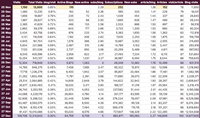
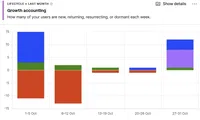
Nov 07 ⎯ I know I promised a weekly report showing what I was doing, numbers, and tools, but that month was crazy. I was combining this new project with two clients, and I didn’t even have time to breathe, so I decided to cry with you here and restart that journey. Well, where to start? New company, almost nothing had been done before I joined, especially in terms of marketing. No website, no social media profiles, no strategy, no paid media accounts opened, nothing, and more importantly, a new team. (I had worked directly in the past with Pau Ramon at Factorial, but never had him as a direct report, and with Josep Jaume, but had never really met him before.) The Company Ramensoft SL was founded nearly a year ago by Pau Ramon as a playground for himself. He left Factorial, had some money from stock options, and wanted a relaxed time to learn and create on his own. One day, he decided that playing alone wasn’t that fun, and that’s how we ended up joining XD. In legal terms, we are joining the company as co-founders. Pau Ramon is the financial partner and CEO, and Josep and I are adding funds with part of our “salaries.” To join the company, we had to create a shareholder agreement with all the new conditions: the percentage of stock options for each partner, vesting rules, what happens if someone wants to leave, and, more importantly, what happens if someone doesn’t perform as expected. This is super important and should always be defined and reviewed by a legal expert to prevent a lot of problems in the future. I’m planning to dedicate a full blog post to how to constitute a company in the future. If you don’t want to miss it, subscribe here. Our first decision When I said there was nothing, it was a small lie 🙏. As I mentioned before, Pau created Ramensoft a year ago and already had three projects. The old website looked like this (well, something a bit better, this is an archive.org screenshot) Fika Grow your audience, own your content. In a world dominated by social-networks and a corrupted attention economy, fika offers a platform for curators to discover, filter and share their ideas with others. Handinger The easiest & cheapest way to extract data from the Internet. Extracting content from the internet is becoming increasingly difficult. Handinger makes it easy and cheap! Whatajong A Mahjong Solitaire roguelike game. Inspired by Balatro and Solitaire games from the 90s, Whatajong is an exhilarating experience. A cozy game that is both familiar and challenging. All these projects were already there, and we had to make our first decision: where we wanted to invest our time, and what we thought people would need the most. We were coming from a B2B world at Factorial, so we decided to test B2C or maybe a mix of B2B/B2C, time will tell. We picked Fika, the future alternative to Substack and Beehiiv combined (or at least that’s the goal 😅). First month Roadmap As I said before, “new company”, “no website”, everything to do. This is my fourth time joining a company where more or less everything needs to be done. The hardest part at the beginning is setting the right priorities. I’m still failing, but getting there. Once the wheel starts moving, everything starts to make more sense. My first weeks were a little chaotic, juggling all the clients and Ramensoft. I was still stuck in too many meetings, and it was the beginning of Q4, which means starting to think about the next year. My main tasks Think about Ramensoft’s marketing strategy (one company, several subprojects, should each subproject have its own brand?) Investigate the market (who are our competitors, what is their ICP, SEO, paid, onboarding, etc.) Failed at creating the Ramensoft website (interesting story and a good learning for me, detailed explanation below) Opened social media accounts on X, YouTube, TikTok, Instagram, LinkedIn, Facebook, and Reddit Opened ads accounts on Google, TikTok, Meta, LinkedIn, and Reddit Researched for a freelance designer, but in the end decided to put it on hold after spending several hours analyzing more than 300 application emails. Found 3 really interesting and saved for later Created the Fika website except for the homepage using Sanity (a new CMS for me, similar to Webflow or DatoCMS but cheaper and nicer in Pau Ramon’s eyes, big kudos to him for crafting all the blocks and setup) Made an initial business plan for Fika, basically licking my finger without much data to get real KPIs, but the Excel supports everything Wrote the initial onboarding emails (not implemented yet) Designed a super simple soft launch for Fika (we are going to build in public) and prepared a nice challenge for all of you ;) Reviewed the SEO structure and basics for Fika and the sub-blogs Created a lot of tasks related to small bugs (aka the destroyer or bug finder) that Josep and Pau fixed Some other small things that sometimes consume a lot of time It doesn’t seem like much, but you have no idea how fast time passes. I’m planning to create specific blog posts about Sanity, business plans, SEO analysis, market research, TAM, SAM, SOM, and more. If you want to know how I did it, you know the answer 😜, subscribe to my newsletter. My Failure Creating the Website for Ramensoft A few months ago, I started playing with Lovable (living the coding-life vibe I always wanted XD). I created some apps that no one is using, but they helped me learn a lot — how to structure a product, think about the database before the features, break things and try to repair them, etc. (more on that in another blog post). The thing is, in order to save time, I created a website with four landing pages, five languages, and a system to gather leads with its own admin panel (and an easter egg). It even had a sitemap and was all SEO-friendly, it got indexed on Google in just one day. You can check it here: https://preview--ramen-reimagined-launch.lovable.app/ Then I really met Josep Jaume, and I’m lucky that we had our first disagreement. He’s an awesome developer, and thanks to my attempt at building the website, we went deep into AI Slop and everything related to it. We can’t vibe-code our main website when we’re trying to make something different, something unique. He then crafted the logo and the website we have today (with more to come soon). https://ramensoft.net Our main goal was simple, to have something to show to the world and gather some emails to announce our soft launch and future updates. And thanks to that, I realized that the next products we’re going to launch will be exquisite, unique, and will add real value to the world, not just something anyone can make in one hour chatting with an LLM. (Open to debate, because I’ll definitely keep vibe coding for my own projects.) October Fika Metrics I’m planning to share the evolution of Fika’s metrics and those of our future projects. We’re using Posthog. An analytics and Hotjar tool made by devs for devs. I had a lot of resistance at the beginning, because instead of using the well-known Google Analytics, which integrates super well with other platforms and is 100% connected to Search Console, I had to learn a new tool. It’s not that easy to use, but it’s super customizable and connected to all the data inside the product. There are still some events pending configuration, and some data wasn’t gathered correctly, but here you have the screenshot for this month. In the future (if possible), I’ll share a table with more interesting KPIs and conversion rates.. We were not tracking conversions, now we do :) I hope you enjoyed it. It was a little bit long… or maybe not. You can always share any feedback, suggestions, or ideas about what you’d like to see next in the LinkedIn post about this blog. And sorry not sorry, if you made it this far, you know what to do for more No spam del bueno. Subscribe :)
-
My Introduction as CRO at Ramensoft
Nov 04 ⎯ Hi, Before I start writing about my first week at Ramensoft, maybe I should introduce myself. My name is Jordi Robert Aguado, ex–Global Marketing Director at Factorial (one of the fastest-growing scale-up companies in Europe). I joined Factorial HR when there were only 7 employees, and I witnessed its evolution and massive growth over 6 years, from 10 clients to more than 13,000 paying customers. From 8 employees to 1,200. From almost €0 to €70,000,000 in ARR. I hired more than 30 people during that time and ended up managing a team of 42. It was a huge adventure, but I eventually realized that the life I was living wasn’t for me, working 9–11 hours a day, suffering from insomnia, and constantly under huge pressure to hit targets. For some people, that’s exciting. For me, it was too, for a while… but I decided to make a brave move and quit. I wanted the dream of working to live, not living to work. I wanted to work around 5–6 hours a day, to feel grateful for what I do instead of constantly feeling it’s never enough. There’s only one life. So, I took a short break of 3 months (short, yes XD). After that, I started freelancing for two clients, one as a Fractional CMO (definitely worth a separate post) for Take a Chef, and another as a consultant doing SEO, paid media, email marketing, etc. I was living my dream :)) Working 20–25 hours a week, organizing my time (more or less) how I wanted, adapting to my clients and earning enough to live a decent life. Then one day, Pau Ramon, founder and ex-CTO of Factorial, wrote to me on LinkedIn… He had sold some stock options from Factorial and wanted to create a new company, a playground to build software that enhances humans instead of replacing them. A place where you could have a healthy work–life balance. I was living a nice life already, but Pau Ramon is a super top developer. Not only that, he has a brilliant mind and a unique sense for small details that make the difference — in a product, an app, or even your life. Long story short: I said yes. And here I am, writing my first blog post on one of Pau Ramon’s previous projects, Fika. An alternative to Substack, WordPress, or similar platforms that helps you write without distractions and build a community that you own ;) Sign up, please. I’m begging you XD Jokes apart, I’ll be sharing a weekly summary of my journey, all the challenges I’m facing in my new role (mainly), plus tutorials, tools, and other relevant stuff related to my new position as CRO (yes, in charge of marketing and sales 😱). We’re not alone, apart from Pau and me, Josep Jaume, ex-CTO of Codegram and also an ex-employee of Factorial, joined this adventure. So if you’re interested in growing with us, and with me in this adventure, subscribe to this publication and see you next week. Subscribe for more updates
- ramensoft
- week